Winter is coming, and we're talking overcoats once again!
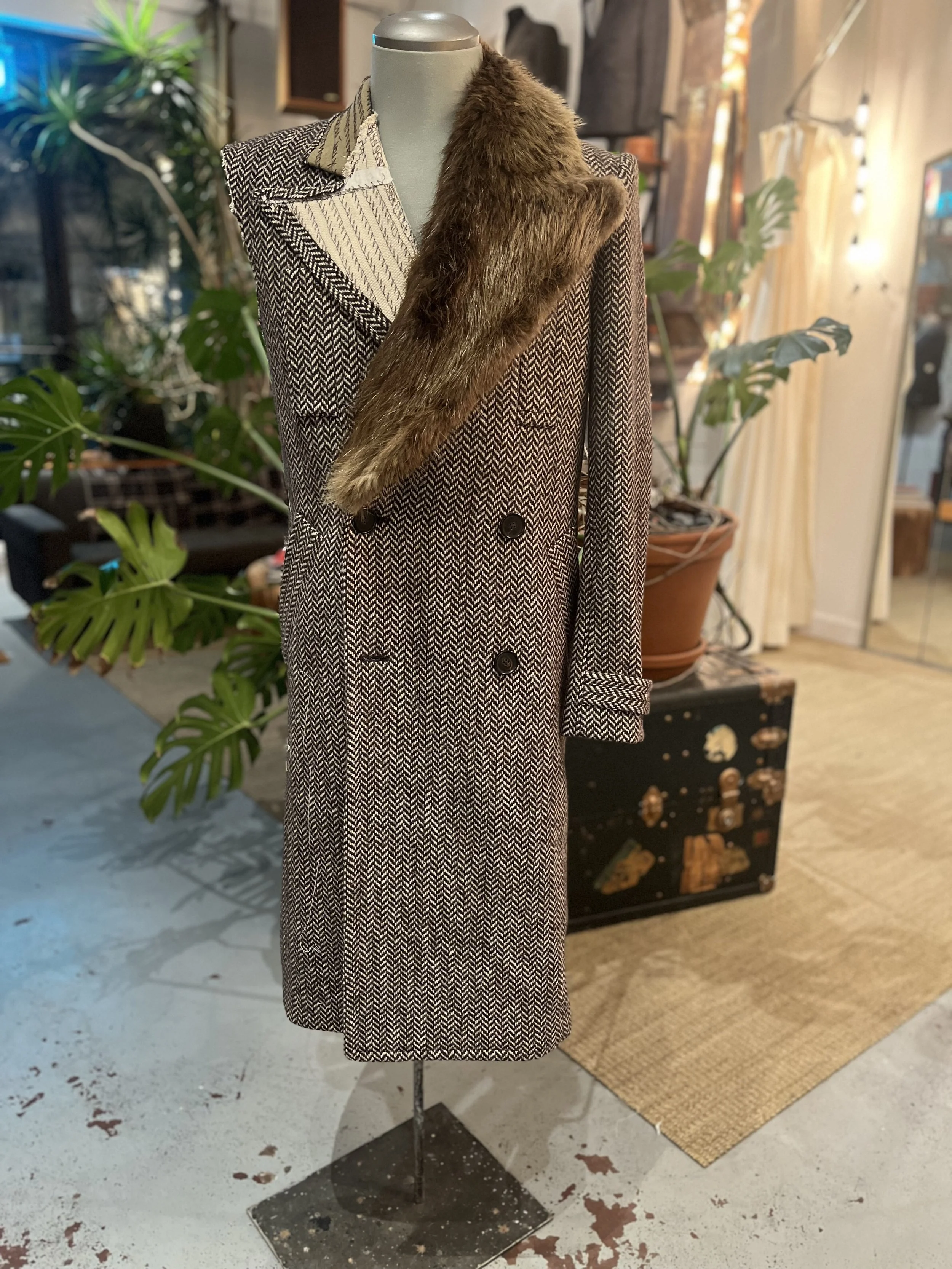
Sample Overcoat Made in the Philip Sparks Toronto Tailoring Studio
As we enter the season, we've just completed a new overcoat that we've added to our sample collection. This particular piece has been intentionally left open to expose some of the construction details that are normally hidden beneath the lining. It gives us an opportunity to show and discuss the different materials, techniques and design options available as we work through the decisions involved in creating your bespoke overcoat.
Interested in a Bespoke Overcoat?
Materials
While a changing climate has affected many parts of the world, and many tailors globally find themselves with fewer opportunities to make overcoats, here in Toronto we still face almost six months of the year when a good overcoat is essential.
As a result, we've done our research and worked to ensure our sample library includes a broad selection of cold-weather-appropriate fabrics and materials sourced from around the world. We believe an overcoat should be more than just an additional layer; it should be designed and constructed to perform in the conditions you'll actually be wearing it in.
Design
One of the reasons we love overcoats so much is the sheer number of possibilities when it comes to design.
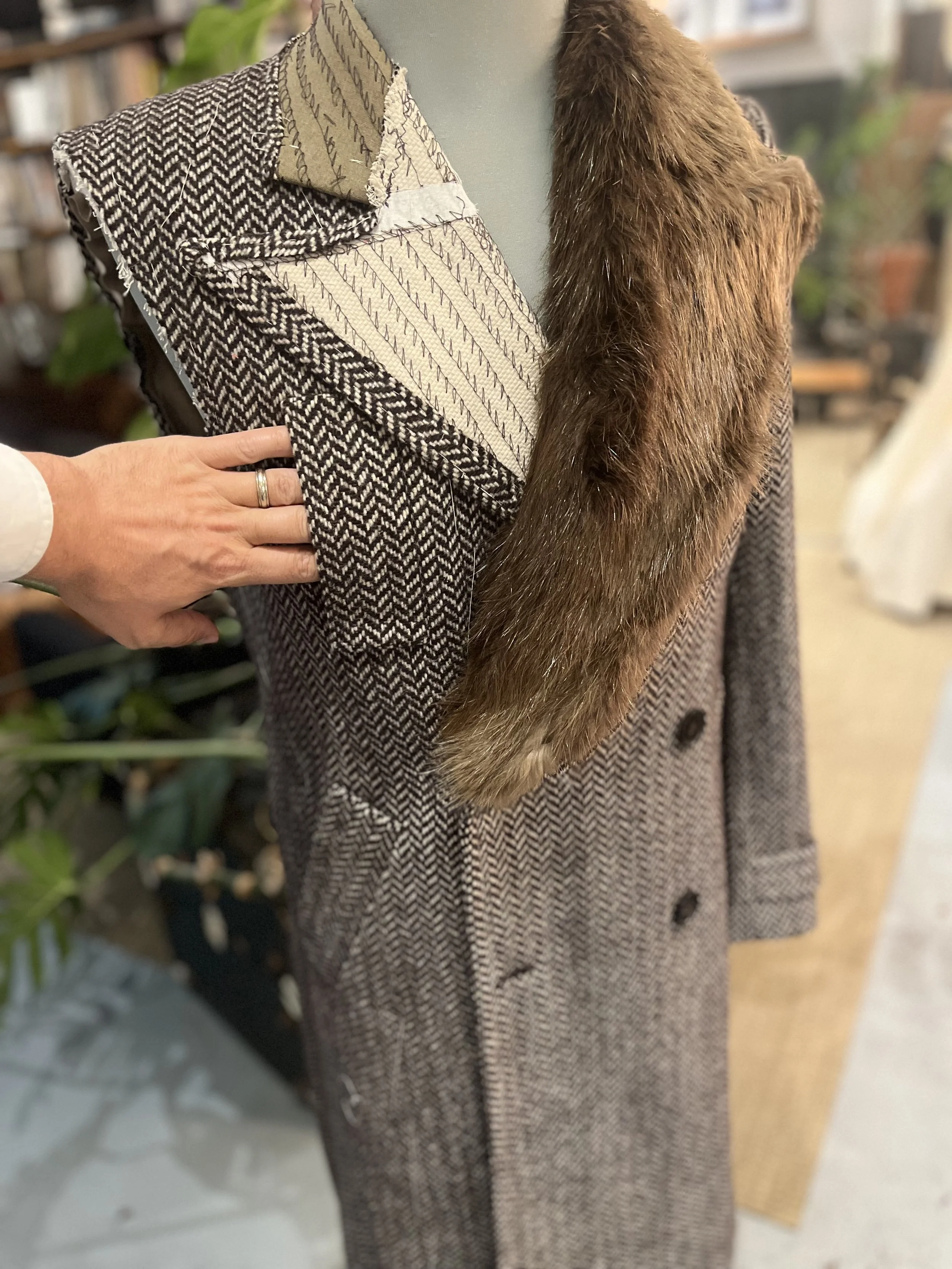
Stadium Pocket Detail on a Bespoke Overcoat made in the Philip Sparks Tailoring Studio
From stadium pockets positioned at chest level and deep, wide pleats across the back to different belting options that accommodate the varying layers and bulk worn underneath, there are plenty of opportunities to make an overcoat your own.
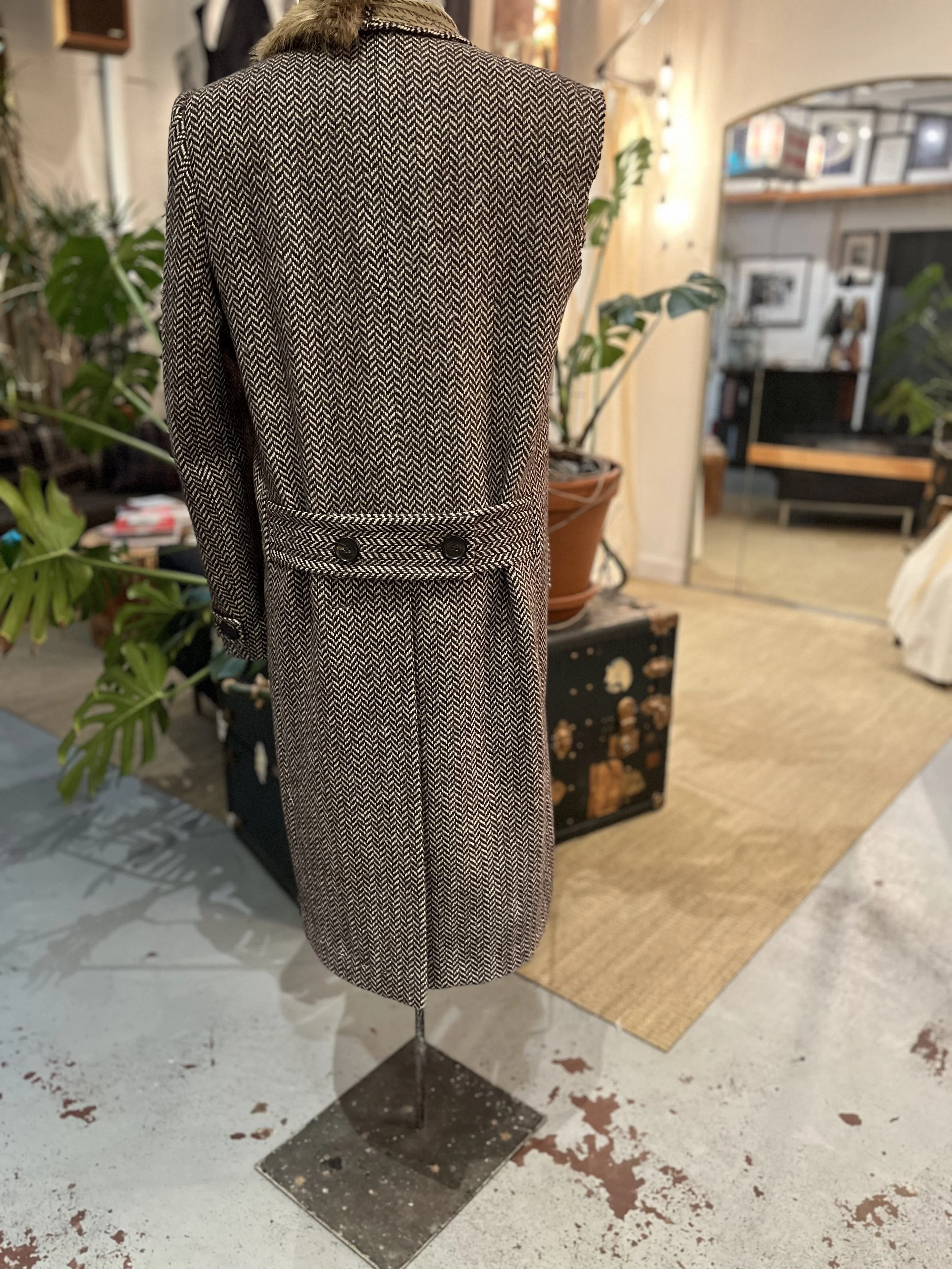
Back Belt Detail on a Bespoke Overcoat Made in the Philip Sparks Toronto Tailoring Studio
Our new sample incorporates several of these details, allowing us to demonstrate how they work together. Other design options include raglan sleeves, hoods and toggle closures, each offering a different look and approach to outerwear.
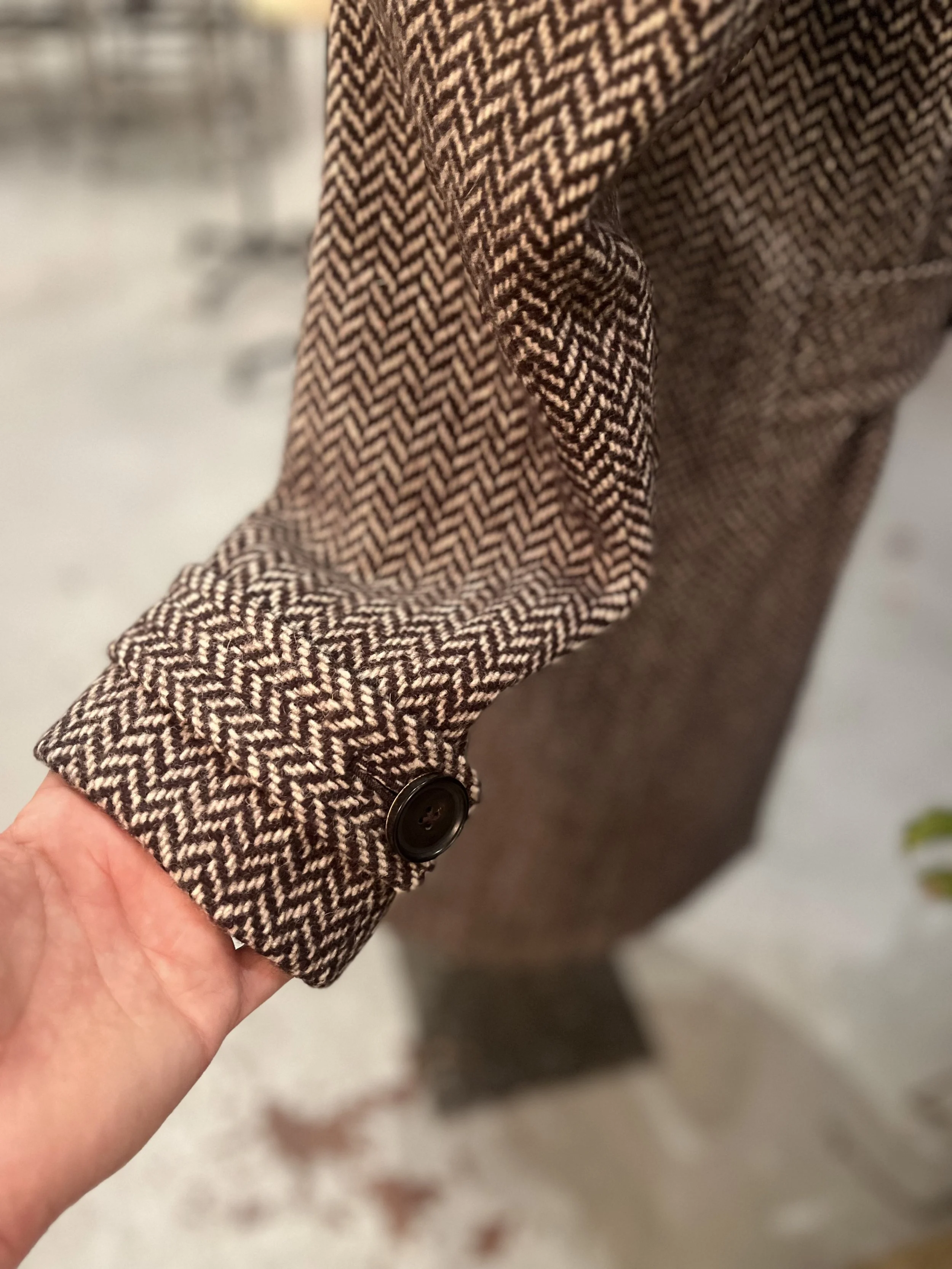
Storm Tab Cuff Detail on Bespoke Overcoat made in the Philip Sparks Tailoring Studio
If you're interested in exploring the possibilities, check out our Overcoat Styles blog post for a closer look at some of the different styles we offer.
Construction
Not all canvases are created equal.
We've written about canvas materials and construction techniques many times before. In our shop, we always use full-canvas construction for our bespoke jackets and overcoats.
A full canvas provides shape and structure to the chest and shoulder area, but its purpose extends much further. It runs into the lapels, helping to form the natural roll of the front, and continues down the full length of an overcoat to the hem. It also provides support for buttons and buttonholes while helping maintain a clean, crisp front edge.
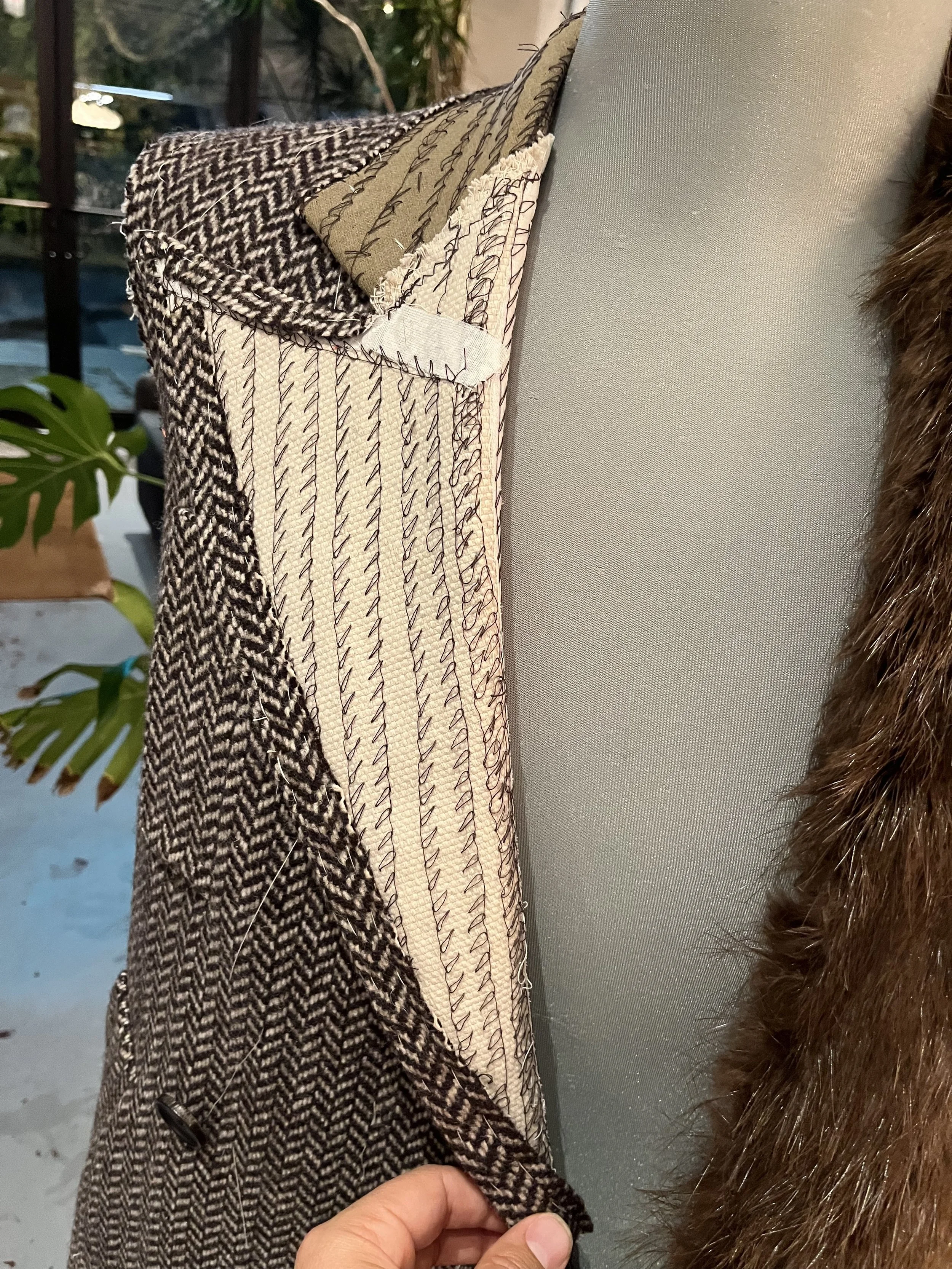
Heavy Canvas used in an Overcoat Sample in the Philip Sparks Tailoring Studio
While the purpose of the canvas remains the same, the material itself can vary considerably. If you're looking for a lighter coat, we can use a lighter canvas. However, when it comes to the depths of a Canadian winter, we like to add some weight to our overcoats by using a much heavier linen canvas. This denser canvas adds body and structure while providing another layer of insulation to the finished garment.
This heavier canvas is a less common construction technique, and we've incorporated it into our new sample specifically so you can see and feel the difference it makes.
Interlinings
There's more than just canvas inside a bespoke overcoat.
We have several interlining options that can be incorporated into different areas of the garment to improve comfort and performance. For example, we can use soft, brushed flannel as a pocket lining, providing a warm and comfortable place to tuck your hands when the temperatures drop.
Another option is a suede-backed lining in the upper back of the coat. This additional layer helps block the wind and retain warmth around your torso, making it a particularly useful detail for winter outerwear.
These are the kinds of details that might go unnoticed at first glance, but can make a real difference in how a garment performs.
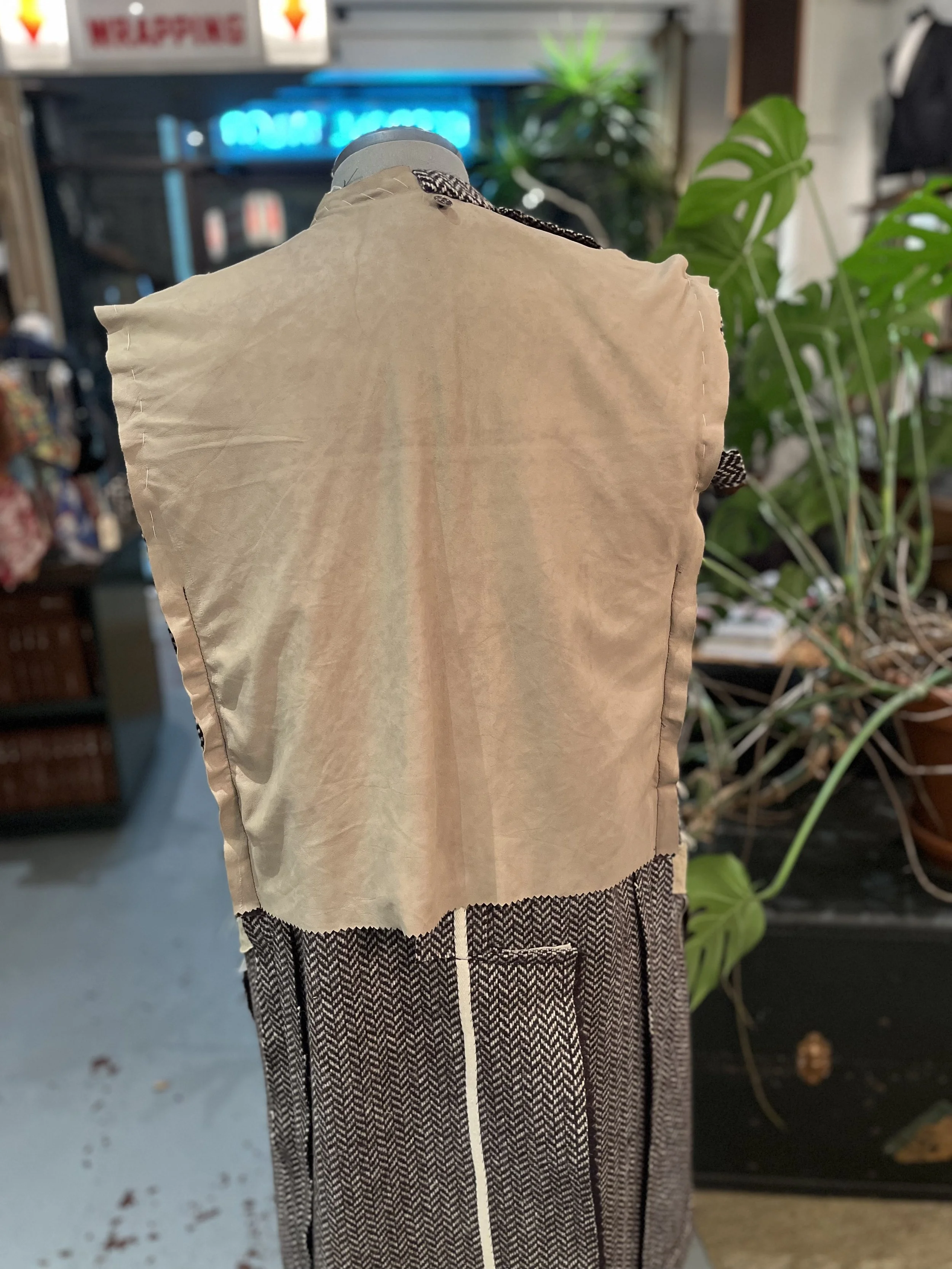
Suede Interlining in the Back of an Overcoat Sample at the Philip Sparks Tailoring Studio
Linings
We have a wide selection of lining options, but for winter outerwear, one of our favourites is Kasha back lining.
Kasha is a thick, durable satin lining with a flannel backing. This combination provides additional insulation and warmth while offering the durability needed for a garment that will see plenty of wear throughout the winter.
It's another opportunity to add function and comfort without compromising the finished appearance of the coat.
Fur Trims
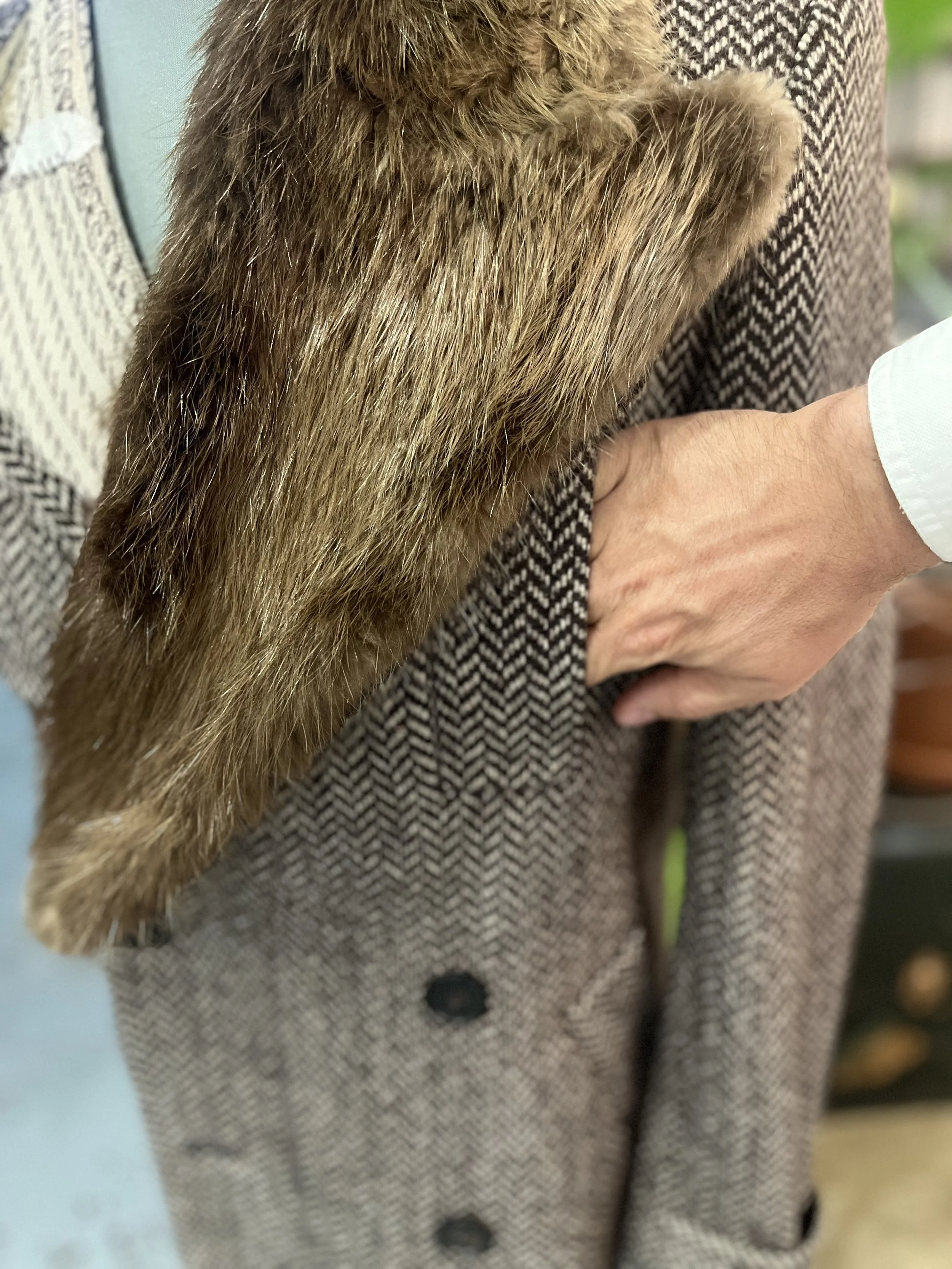
Detachable Fur Collar on Bespoke Overcoat Sample at the Philip Sparks Tailoring Studio
The icing on the cake, or perhaps the fur on your overcoat, is a detail we particularly love working on.
We source fur sustainably, either through recycling or from a trading post in Winnipeg, Manitoba. We also have an antique fur-sewing machine in the shop that allows us to produce these special components.
We make fur collars and vests that can be used to line overcoats. These are constructed as detachable components, allowing you to add or remove them depending on the weather, how much warmth you need, or simply how dressed up or down you'd like your overcoat to be.
The detachable nature of these pieces also makes garment care and cleaning easier.
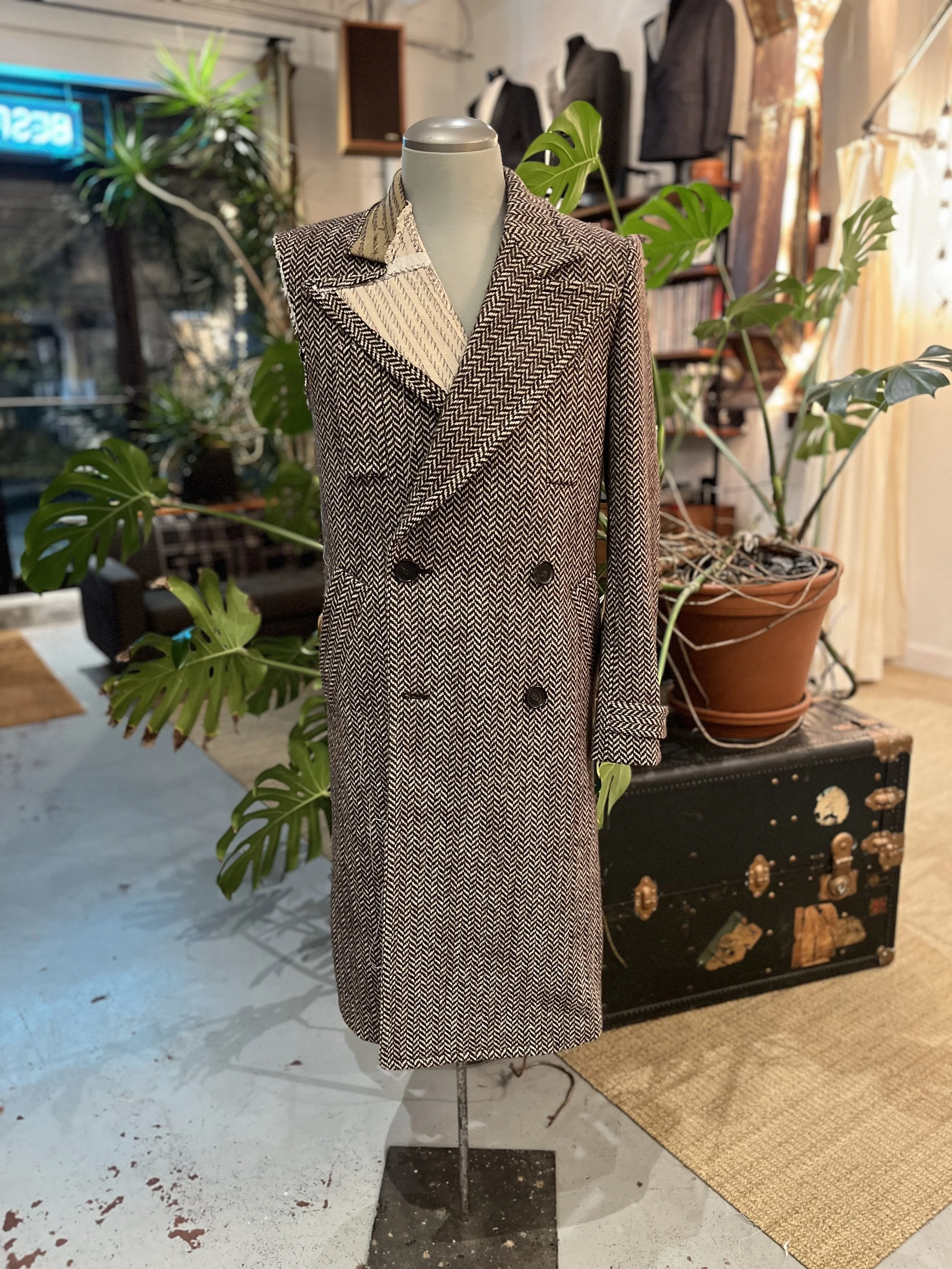
Overcoat Sample with Fur Collar Removed in the Philip Sparks Tailoring Studio
Beyond overcoats, we also make fur mittens and scarves, and can add fur collars to existing coats.
From the initial design to the smallest construction details, there are so many ways to make a bespoke overcoat uniquely yours. See more on this overcoat sample in this short video.
Book an appointment with our tailors to explore the possibilities and start designing your winter overcoat.
